What happens when Michigan students get a seat at the table? Students reimagine future of public education.
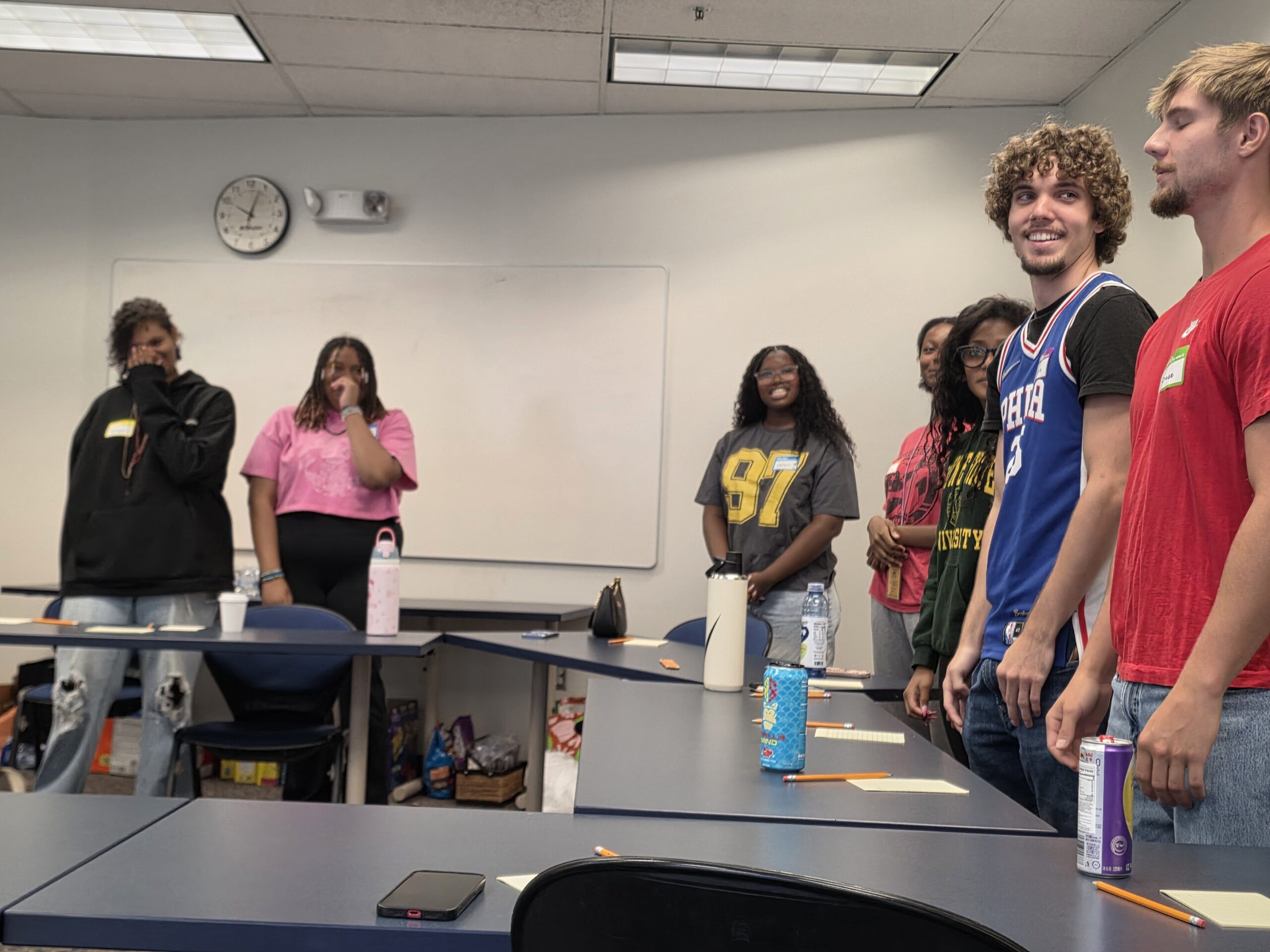
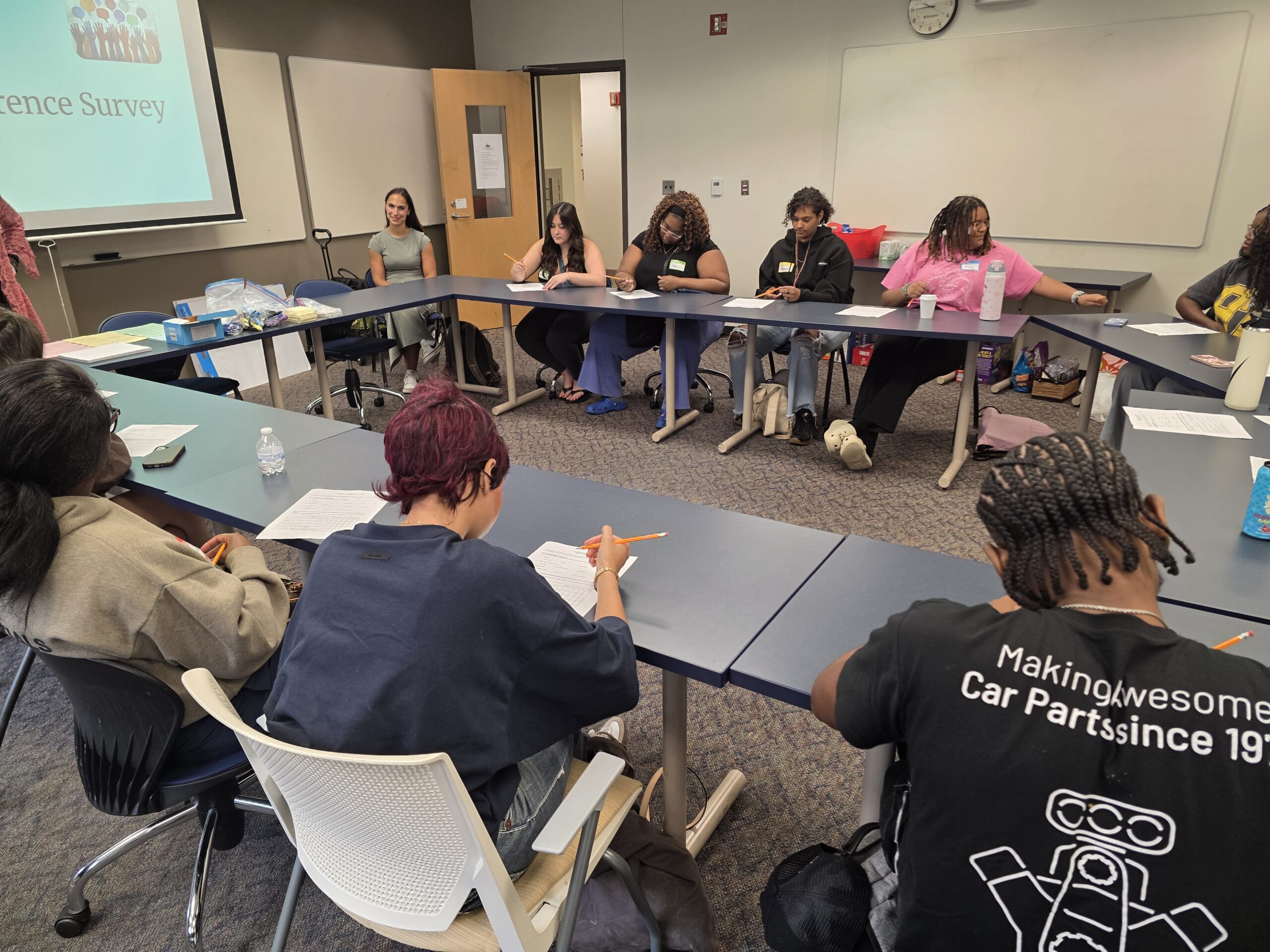
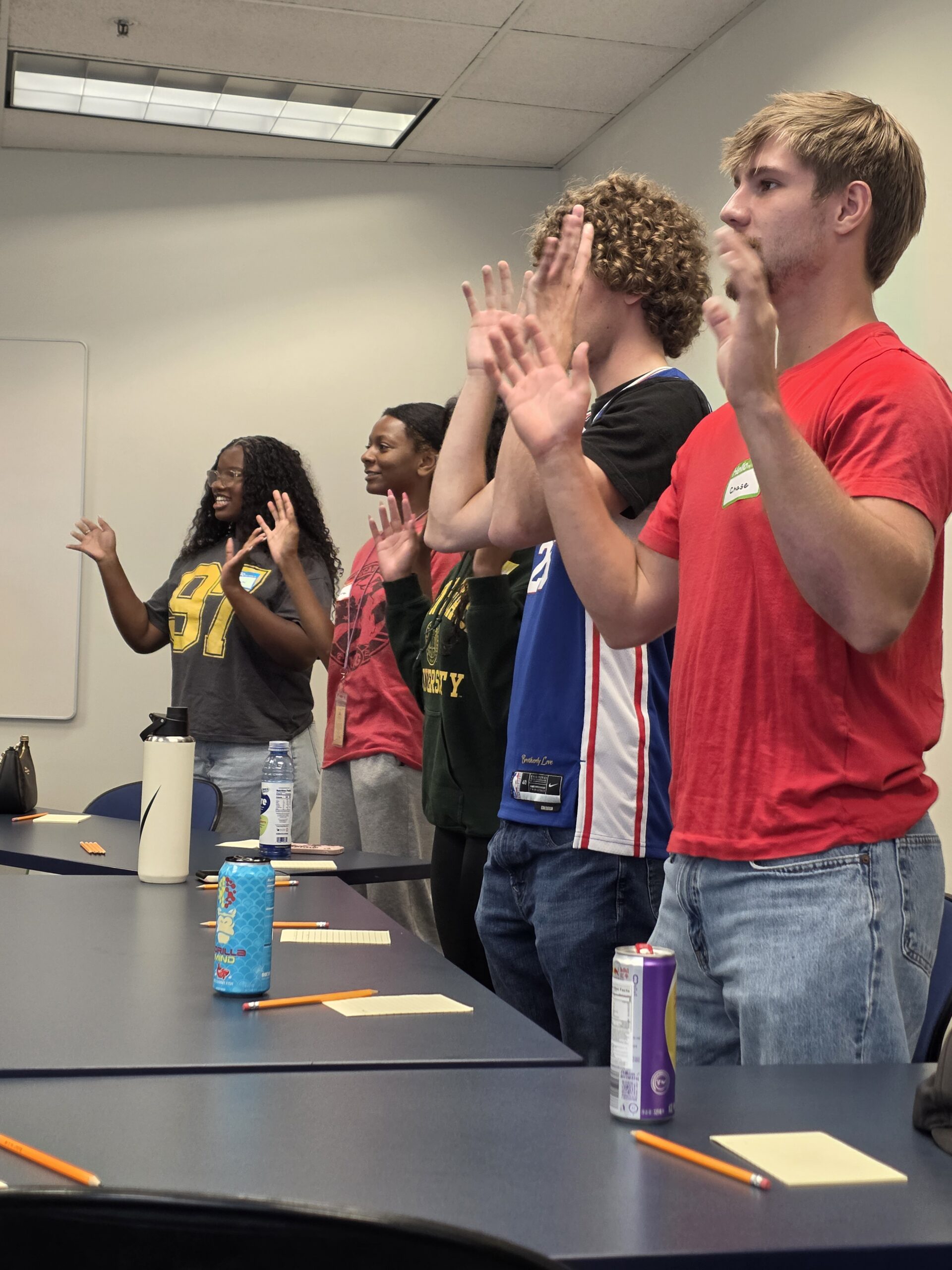
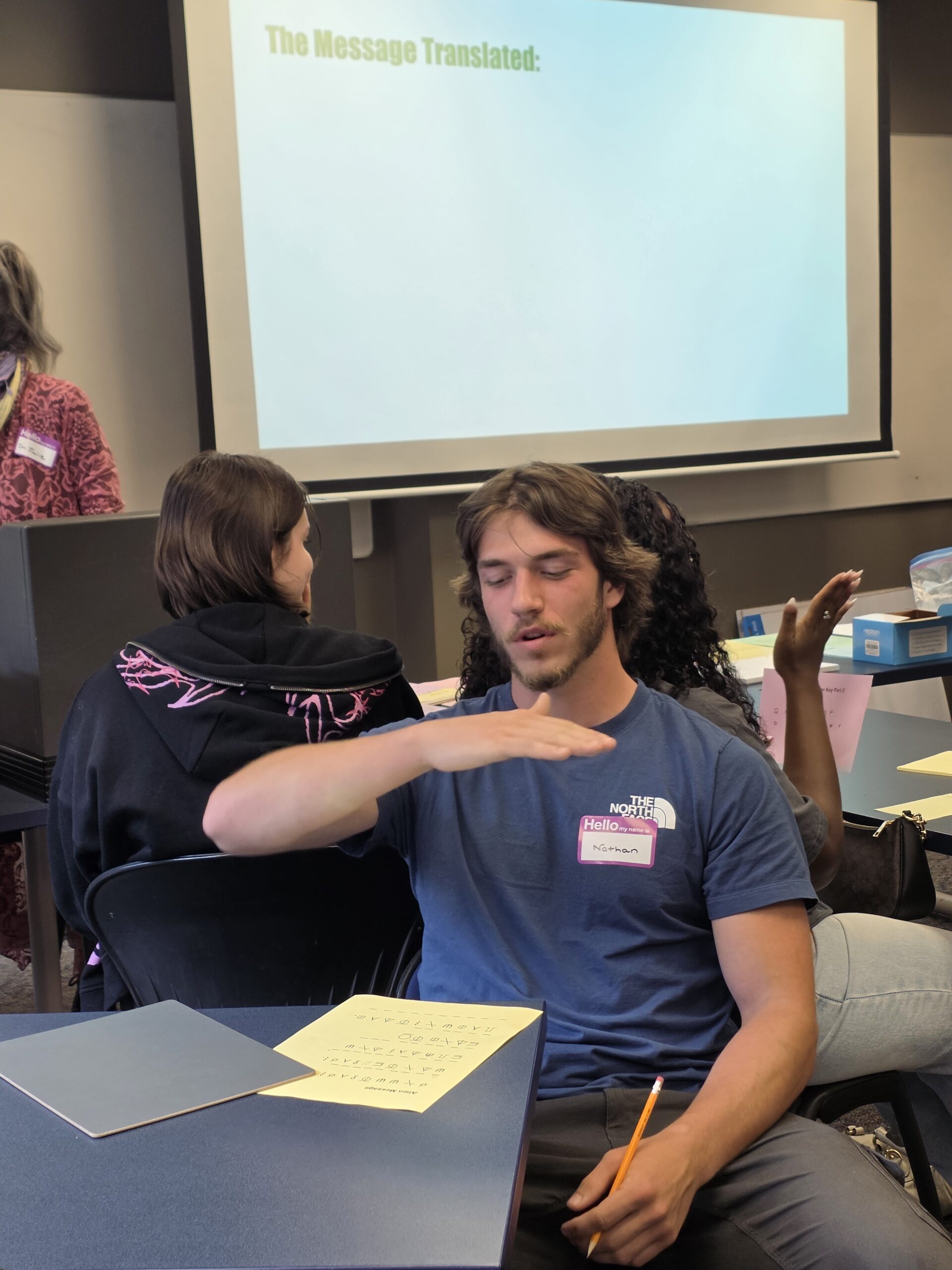
Students snacked on Cheez-Its, Gushers and potato chips while translating alien messages, introducing themselves through dance moves, and designing a class teaching aliens about youth culture.
But the 16 students gathered at Wayne State University’s campus weren’t just there to play games. They were there to tackle a much bigger question: How can they help change public education in Michigan?
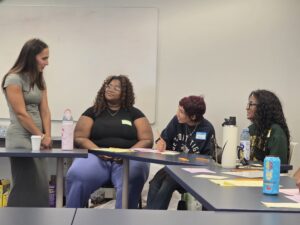
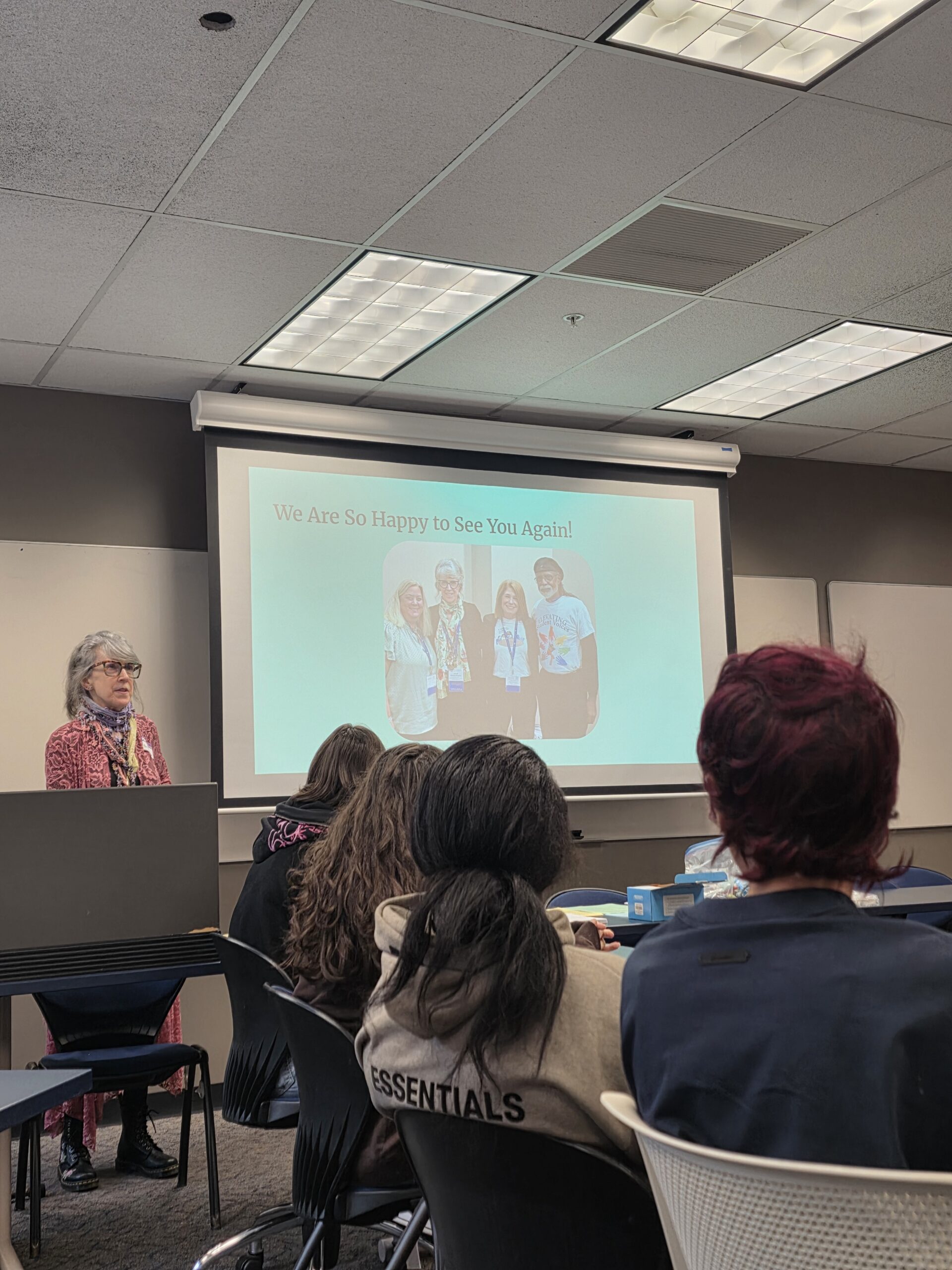
For the students ranging from high school to college age and representing communities across Michigan, the gathering, called Elevating Student Voices, was part of a years-long effort by the Institute for Strengthening Communities and Detroit CARES to help young people deliberate and turn ideas about public education into action.
“We all have different opinions and different points of view, but at the same time we’re still able to civilly agree to disagree and come to a conclusion,” said Jacey Garza, a recent graduate of Bentley Community Schools.
A day of deliberation
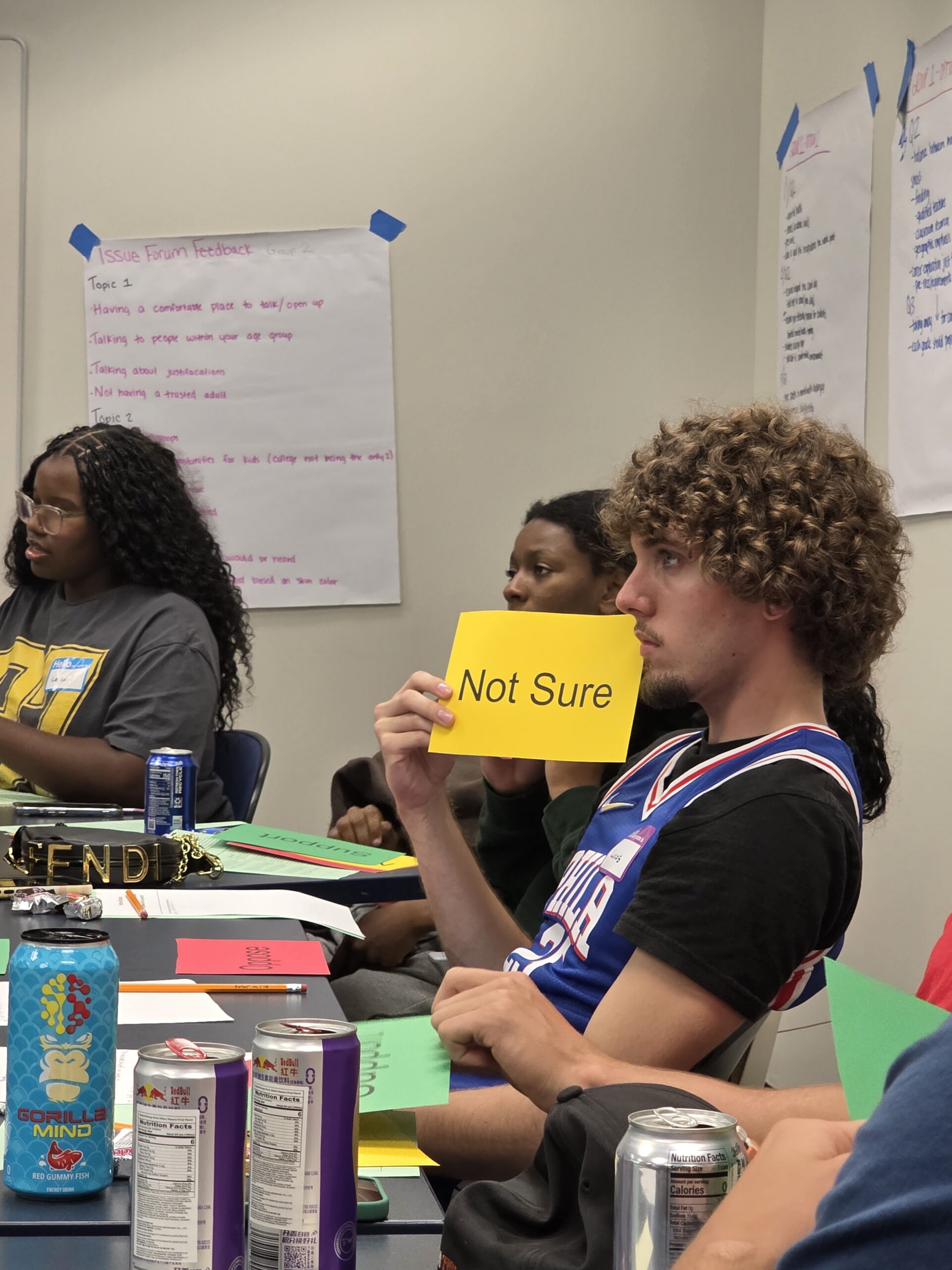
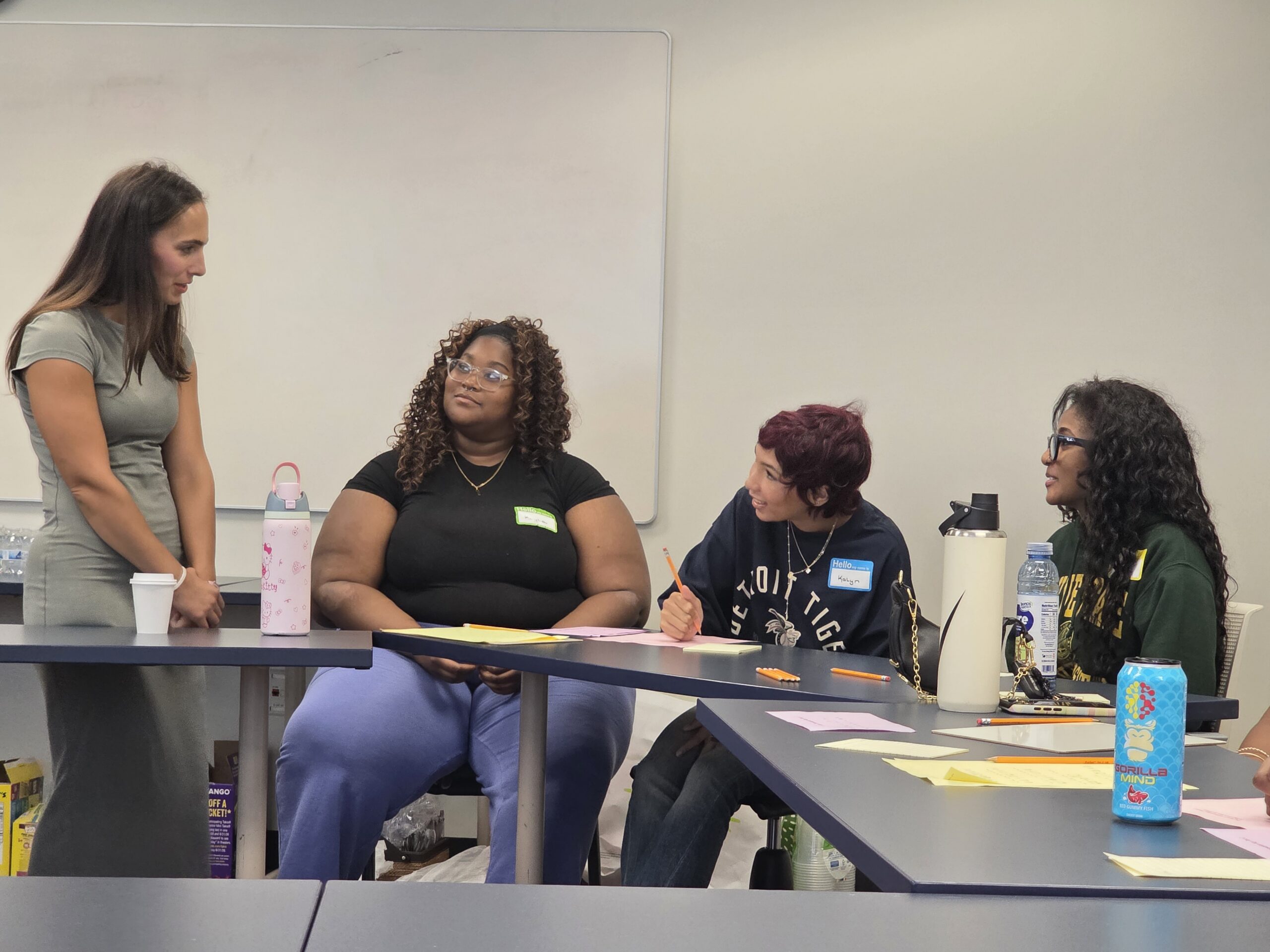
Students learned about current challenges facing public education before breaking into two groups to deliberate about what could make Michigan’s schools better.
Their ideas ranged from expanded mental health support and teacher training to career exploration programs, community-building initiatives and more extracurricular opportunities. They talked about swapping primarily lecture-based approaches to more hands-on coursework and vocational training opportunities, as well as including explanations of how what they’re learning connects directly to their lives and the world around them.
The students also considered the obstacles that could stand in the way of those ideas, including funding and resources, transportation challenges and how to incentivize both teachers and students.
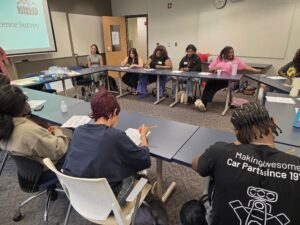
Leilani Morgan, a 17-year-old rising senior at West Bloomfield High School who hopes to become a lawyer and policy advocate, has participated in Elevating Student Voices since her freshman year. She said adults rarely take students’ ideas seriously, despite students being experts in their own experiences. She also raised concerns about funding disparities and cuts to electives, including activities that could encourage students to become more active participants in their own communities.
Morgan’s favorite part of the experience, she said, is “hearing a different perspective and having it challenge you.”
“I think it’s been a great experience just to talk with peers because it motivates you to feel like you actually can do something,” she said.
Elevating student voices across Michigan
Amy Bloom, a research scholar in deliberative democracy at Wayne State University’s Center for the Study of Citizenship, has spent much of her career as a teacher for Oakland County Schools. After retiring, she returned to teaching part-time to lead a democracy class. That work eventually grew into Elevating Student Voices, first as an after-school club and course for students.
The first Elevating Student Voices conference was held in spring 2023, “driven by students coming out of COVID and wanting to know how other kids were dealing with it,” Bloom said.
After teaming up with colleagues, Bloom helped found the Institute for Strengthening Communities to expand the work throughout the state. Through a partnership with Detroit CARES, the initiative has trained students to lead one another in deliberations about education challenges and solutions.
For Bloom, one of the most significant outcomes has been watching students develop their leadership and public-speaking skills.
“This was a way to help young people feel like they had some sense of control, some agency, some sense of belonging,” she said. “…Mostly, it’s growth in their voice and their belief in their ability to change things for the better.”
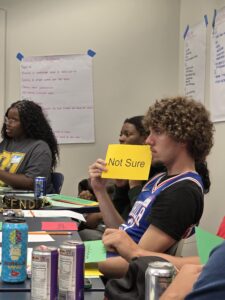
For Ryleigh Garza, a rising junior at Bentley Community High School, that growth has been personal. Garza, who has struggled with social anxiety, said the experience changed the way she sees herself.
“It’s made me really open up as a person where I can voice my opinion and I actually feel heard,” she said. “And it’s brought me out of that social anxiety and let me feel more confident in myself and more confident to speak publicly.”
Her sister, Jacey Garza, describes a different kind of transformation.
“Before, it was either my opinion or no opinion,” she said. “But doing this, it’s taken me out of that mindset and actually allowed me to hear other people’s point of view and shift mine as well.”
The work continues
After a day of activities and deliberation, the students boarded a bus for a Detroit Tigers game, filling the ride with conversation, laughter and a buzz of new ideas.
But the work does not end with the conference.
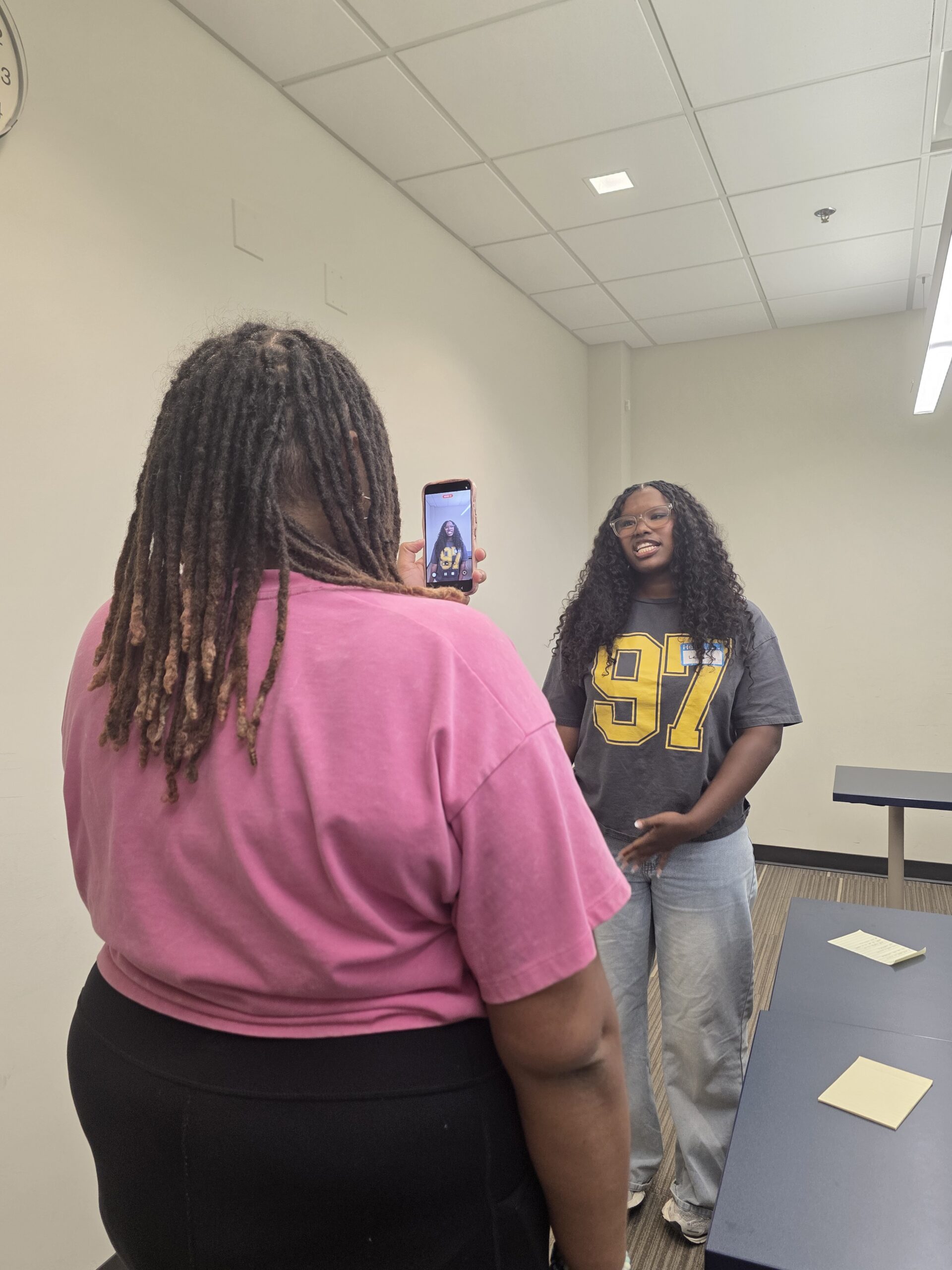
The students’ next steps include identifying voices that were missing from the room and conducting interviews to collect their perspectives.
For Tacaris Webb, a 21-year-old Bentley graduate who now works as a photographer, the gathering builds on lessons he first encountered in a class called “We The People,” where he learned about deliberation and democracy. Now, he is looking toward what comes next.
“I’m excited about what the next step is, where we decide to keep building this work,” Webb said.